Research
Data systems that connect AI, data and quantum computing.
Build data foundations for quantum computing
How can data systems help quantum computing scale?
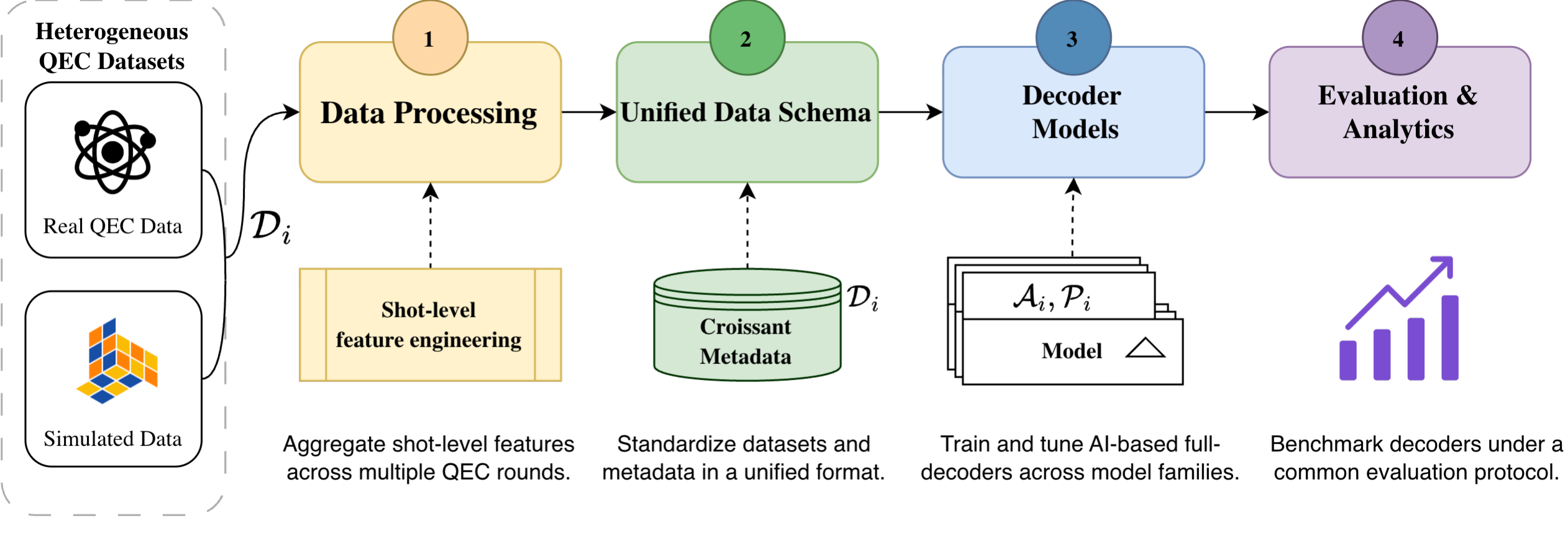
My group develops data infrastructure for AI-enhanced quantum error correction and quantum circuit simulation. We connect experimental data, physical context, decoder models and reproducible evaluation.
Discover and generate useful data
Which data should a model learn from, and how can we obtain what is missing?
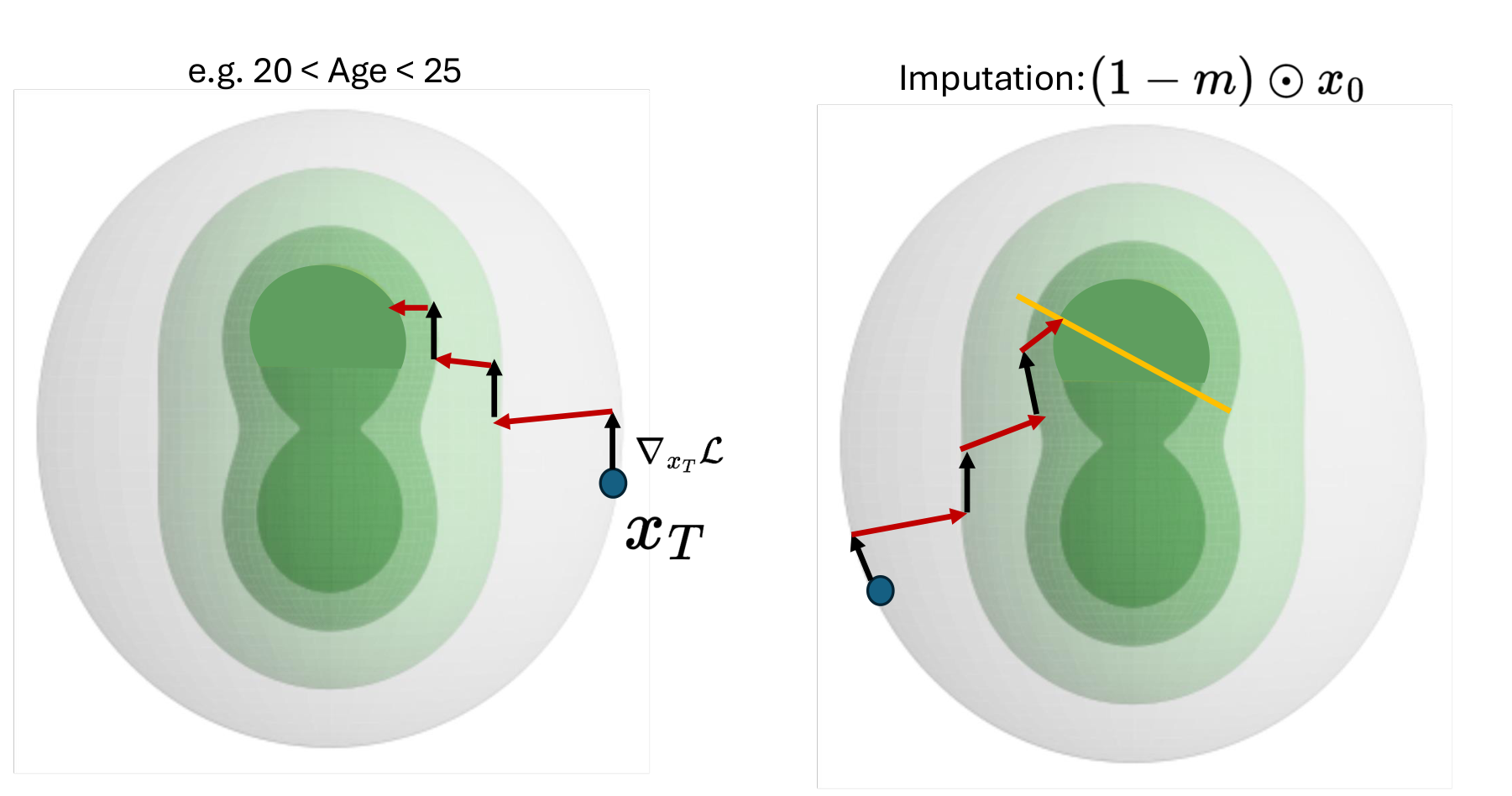
I develop methods to discover relationships across datasets, identify useful features and generate data under explicit conditions. This connects data lakes with learning tasks, from feature discovery to controllable tabular and time-series generation.
Reuse models and optimise their execution
Which model is suitable for a new dataset, and how can it run efficiently on limited hardware?
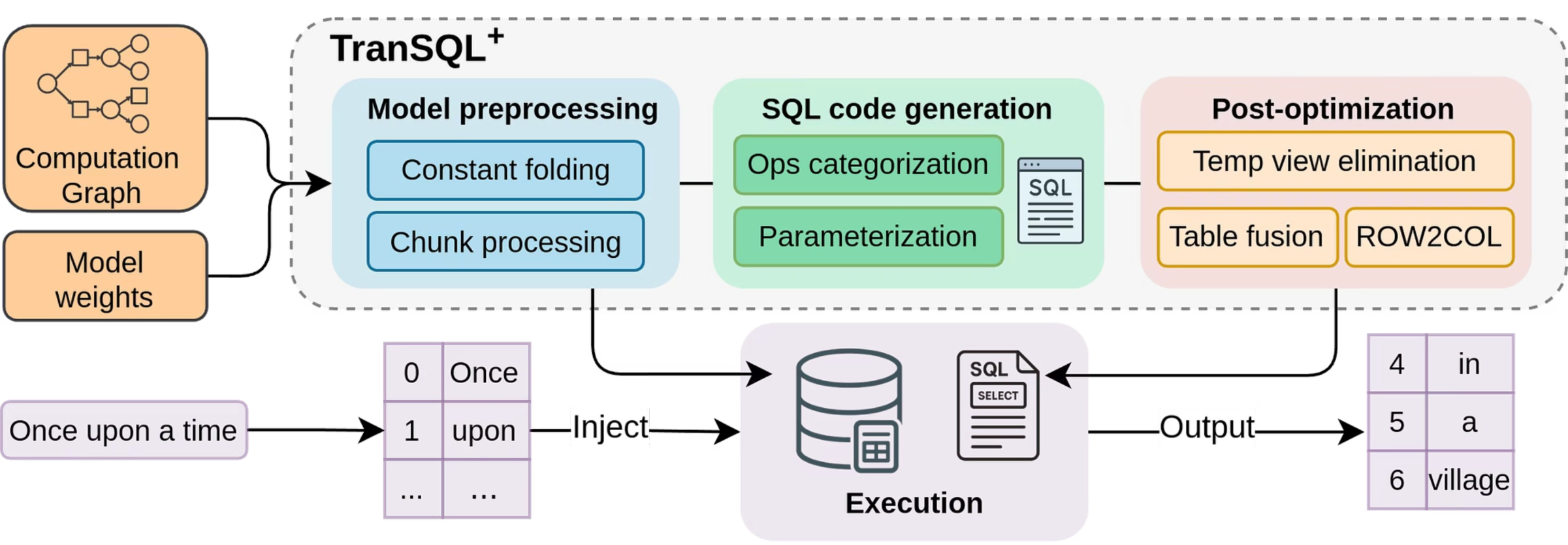
I study how dataset–model relationships support model selection and reuse, and how relational databases can execute AI models. My work focuses on reusable abstractions and efficient data movement, memory use and model execution on limited hardware.
Academic service
Conference reviewing: SIGMOD, VLDB, ICDE, ICML
Journal reviewing: Nature Communications, TKDE, VLDBJ, TODS
Research supported by